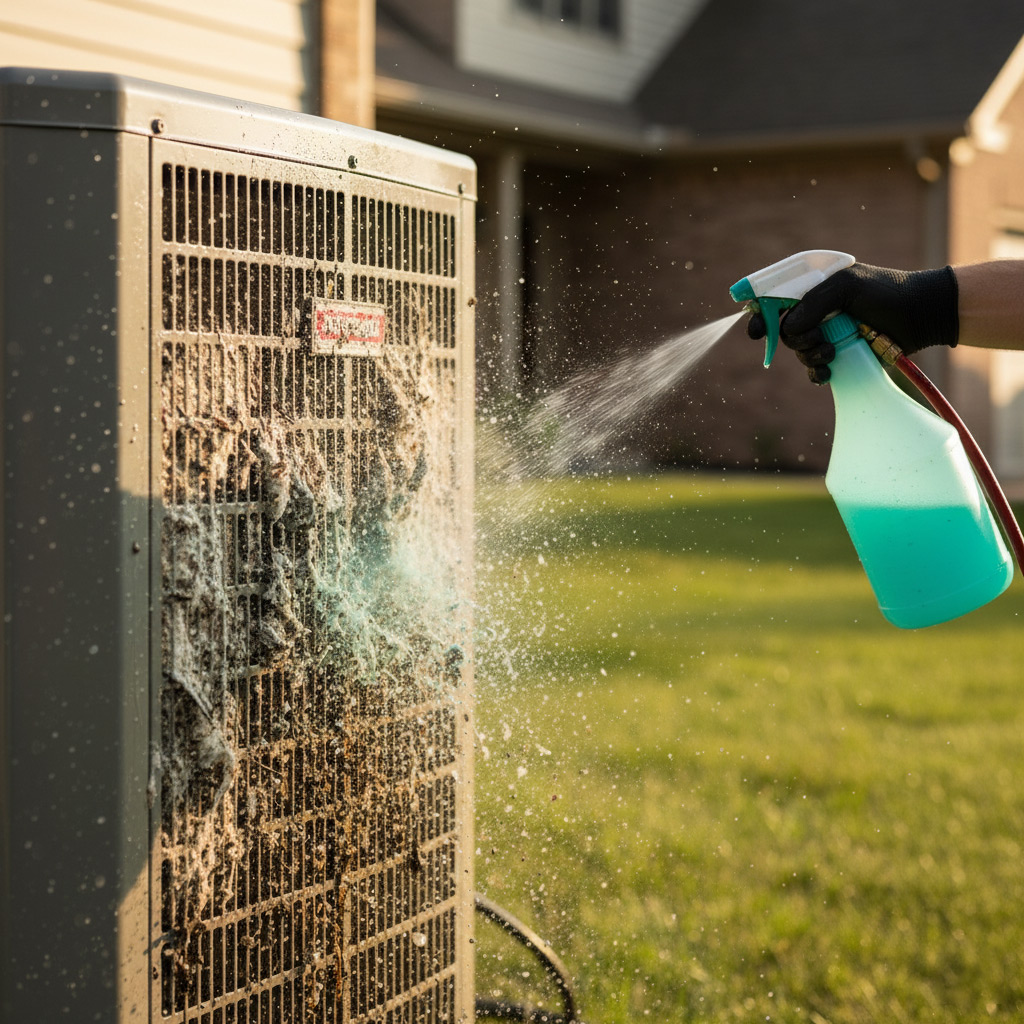
Charleston's sticky summer heat hits like a freight train, and when your AC gives out mid-July, you're left sweating bullets in a house that feels like a sauna.
I've seen it too many times: families scrambling for fans, tempers flaring, and repair bills piling up because simple upkeep got ignored.
But it doesn't have to be your story. This roadmap hands you the exact steps to keep your HVAC humming through humidity, storms, and everything Lowcountry weather throws at it.
Ready to bulletproof your system and dodge those breakdowns? Let's break it down step by step.
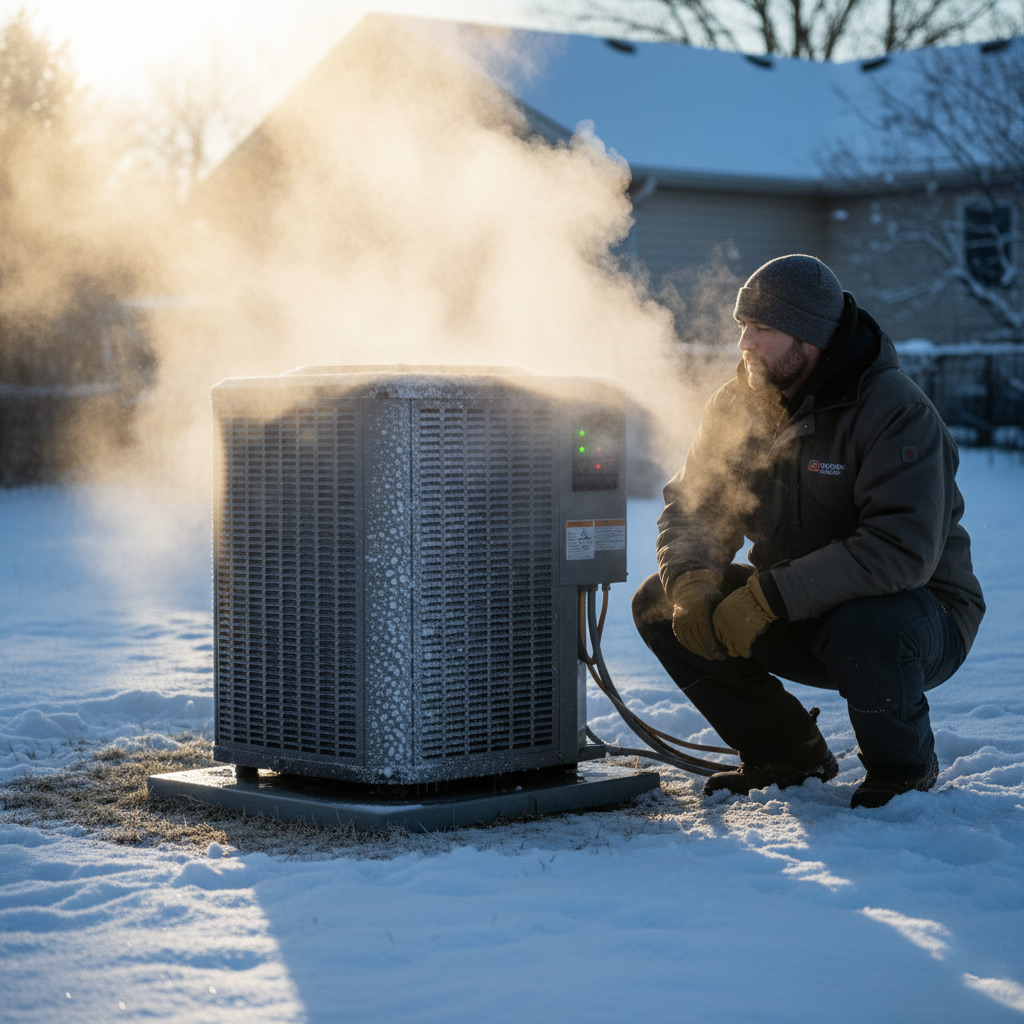
Know Your HVAC System: Key Components for Charleston Homes
First off, grab a notepad. Jot down your system's make and model—check the outdoor unit or your attic. Knowing this stuff lets you spot issues fast and talk straight with pros.
Your setup likely centers on a central air conditioner paired with a gas or electric furnace. In Charleston, that outdoor condenser battles humidity like a champ, while the indoor evaporator coil sweats it out pulling moisture from the air.
Break Down the Must-Know Parts
- Thermostat: Your command center. Upgrade to a smart one for hands-off control during those brutal heat waves.
- Air Filters: The lungs of your system. Dirty ones choke airflow and jack up bills—swap 'em monthly here.
- Ducts and Vents: Hidden highways for air. Leaks waste energy; seal 'em to fight mold from our damp climate.
- Drain Lines: Crucial for Lowcountry humidity. Clogs mean water damage—keep 'em clear or face floods indoors.
- Blower Fan and Coils: Heart and lungs. Dust buildup kills efficiency; clean access points save you big on repairs.
Walk your system today. Feel the outdoor unit vibrate smoothly? Listen for odd rattles. This quick scan heads off 80% of summer meltdowns.
Daily and Weekly Quick Checks to Prevent Breakdowns
Daily Quick Hits: 2 Minutes to Spot Trouble Early
Start your day with a simple ear to your system. Listen for odd rattles, bangs, or grinding from the indoor unit or outdoor condenser. Those noises scream "fix me now" before a full meltdown.
Feel the air blasting from vents. It should be cool and steady. Weak flow? You've got a clue something's clogging up.
- Check thermostat: Set to "cool" in summer? Bump it up a degree when away to ease the load.
- Spot water around the indoor unit? Shut it off and call us - could be a drain issue from all that Lowcountry moisture.
Weekly Power Moves: Keep Debris and Dirt at Bay
Grab a broom and circle your outdoor unit. Charleston palms drop fronds like confetti - sweep them away so air flows free. Blockage here starves your compressor.
Peek at vents inside. Dust bunnies piling up? Give 'em a gentle vacuum. No deep cleaning yet - save that for monthly.
- Test thermostat batteries. Dead ones fail silently mid-heatwave.
- Sniff for musty odors from vents. Mold loves our humidity - air it out or run the fan mode.
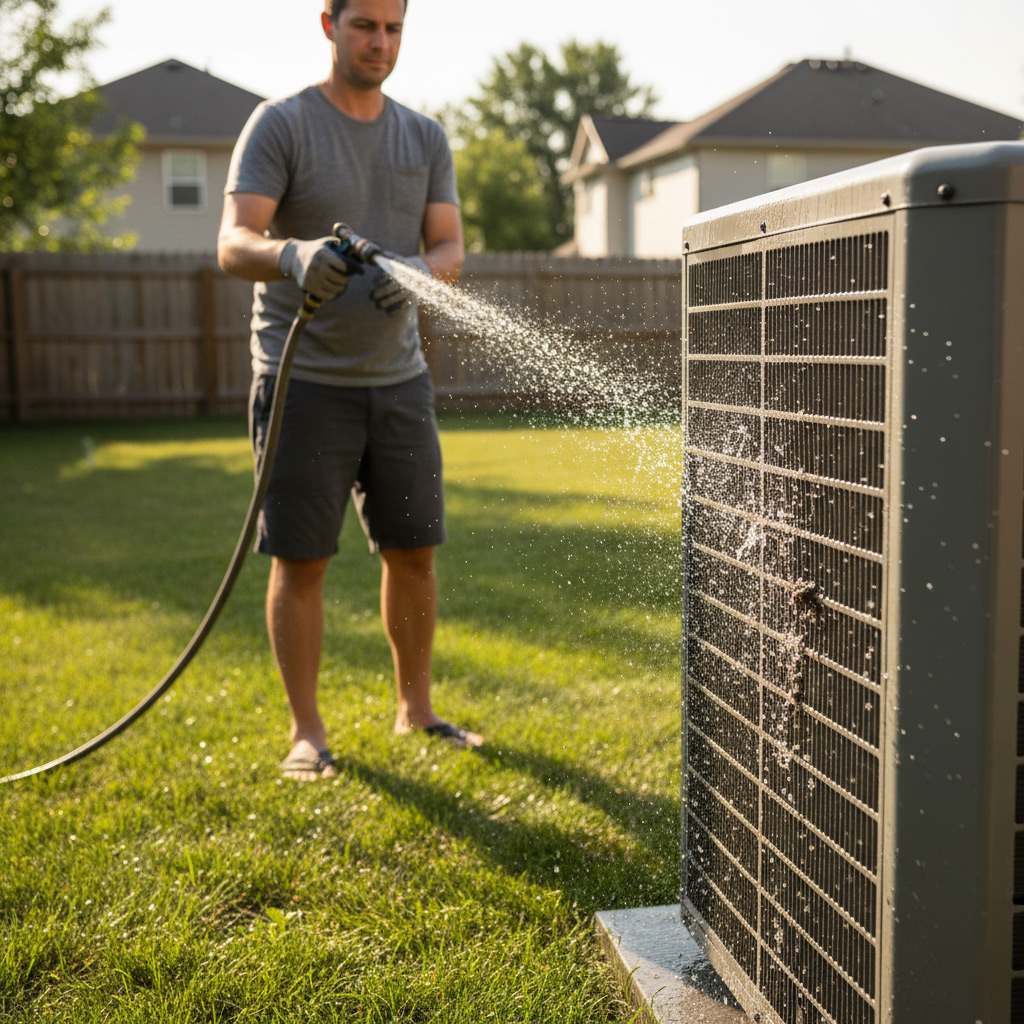
Monthly DIY Maintenance Tasks You Can't Skip
Grab your calendar. Mark the first of every month for these quick hits. They take under 30 minutes but slash your risk of compressor failure by half.
Swap That Dirty Air Filter
Your filter's the lungs of your system. A clogged one starves the blower and spikes energy bills. Pop it out, snap in a new one rated MERV 8-11 for Charleston's dust and pollen.
- Locate the filter slot near the return air duct or furnace.
- Check condition: if it's gray or stuffed, replace now.
- Pro tip: Buy filters in bulk from a local supplier to save cash.
Next up, hunt for dust bunnies. Vacuum registers and vents with a soft brush attachment. This boosts airflow and keeps mold at bay in our muggy air.
Clear the Condensate Drain
Clogged drains mean water backups and nasty overflows. Pour a cup of vinegar down the line, then flush with water. No tools needed, just a steady hand.
Spot check your thermostat too. Swap batteries if the display flickers. Accurate temps save you from overworking the unit.
Seasonal Roadmap: Prepping for Humidity, Storms, and Heat
Charleston's weather swings from sweltering heat to sudden downpours. Hit each season with a plan. Your HVAC stays ready when you do.
Spring Tune-Up: Beat the Heat Before It Starts
April showers mean mold risks inside your ducts. Clear debris from outdoor units now.
- Trim bushes back 2 feet from the condenser.
- Power wash coils gently, no high pressure.
- Test thermostat settings for cool mode.
Do this, and summer startup feels effortless.
Summer Survival: Handle Peak Humidity and Storms
July hits 95 degrees with 90% humidity. Run your system less by staying ahead.
- Change filters every two weeks during blasts.
- Check drain lines weekly; clogs flood indoors.
- After storms, inspect for damage right away.
One clogged drain can wreck your evaporator coil. Spot it early.
Fall Reset: Prep for Cooler, Wetter Months
October brings rain and dropping temps. Switch to heat mode smoothly.
Clean vents. Seal window leaks. Your system works less, lasts longer.
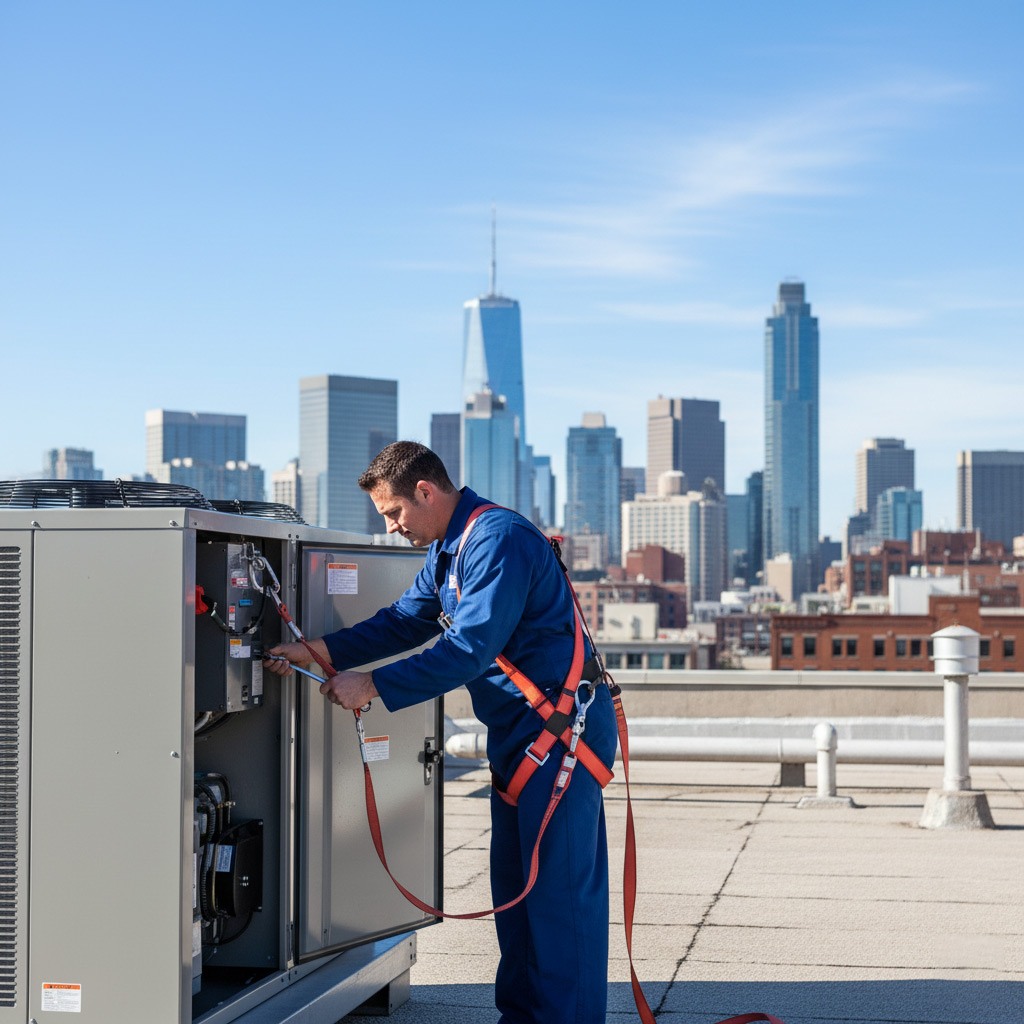
Charleston-Specific Challenges and Pro Tips
Down here in the Lowcountry, humidity doesn't just make you sticky. It sneaks into your ducts, breeding mold that wrecks coils and spikes allergies.
Beat the Humidity Monster
Check your evaporator coil every couple months for slime. Wipe it down with a no-rinse cleaner if you spot buildup.
- Run a dehumidifier alongside your AC during peak summer.
- Swap filters twice as often as northern folks do.
Salt air from the coast corrodes outdoor units fast. We've pulled rusted fans out of James Island homes that quit after one brutal winter.
Storm-Proof Your Setup
Secure condenser fins before hurricanes hit. Tape plywood over it if winds crank past 50 mph.
- Clear debris from drain lines post-storm to dodge water backups.
- Inspect wiring for fraying; salt accelerates that mess.
Pollen from marsh grasses clogs everything come spring. One West Ashley client ignored it and paid $2k for a compressor swap.
Case Study: How We Saved a Mount Pleasant Family's Summer
The Johnsons in Mount Pleasant called us in late May. Their AC was sputtering. Sticky 95-degree days loomed, and their two kids were already complaining about the heat.
We arrived and spotted the issues fast. Dirty filters clogged the airflow. Coils caked in Lowcountry dust and pollen. Thermostat out of whack from constant fiddling.
- Swapped the filter on the spot – a quick fix from our monthly checklist.
- Cleaned evaporator coils with pro-grade tools – no more mold buildup from humidity.
- Calibrated the thermostat and checked refrigerant levels for peak efficiency.
By following our seasonal roadmap, we tuned their system in under two hours. No breakdowns all summer. They saved $1,200 in emergency calls and slept cool through every thunderstorm.
Proof positive: simple steps upfront crush big problems later.
Final Words
Your HVAC doesn't have to fail you when Charleston cranks up the heat. Stick to this roadmap, and you'll spot issues early. Sleep easy knowing your system's ready for anything.
Grab a notebook. Jot down your checks each month. Consistency crushes breakdowns.
- Daily: Feel the air. Listen for odd noises.
- Weekly: Clear debris around the unit.
- Monthly: Swap filters like clockwork.
Still sweating the details? Dive deeper in our HVAC Maintenance guides. Or call us before the next storm hits. Your cool home awaits.
People Also Ask
How often should homeowners in Charleston maintain their HVAC system?
In Charleston’s humid climate, schedule professional HVAC maintenance at least twice a year—once before summer and once before winter—to combat moisture buildup and salt air corrosion. Monthly DIY checks and weekly filter inspections help extend system life and improve efficiency. Regular upkeep prevents costly breakdowns during peak heat or storm seasons.
What are common signs that my HVAC needs maintenance in Charleston?
Watch for reduced airflow, unusual noises like banging or whistling, or inconsistent temperatures, which signal issues exacerbated by local humidity and pollen. Higher energy bills or musty odors often indicate dirty coils or mold growth common in coastal homes. Addressing these early with a pro inspection avoids emergency repairs during Charleston’s sweltering summers.
Can I perform HVAC maintenance myself as a Charleston homeowner?
Yes, simple tasks like changing air filters monthly, clearing outdoor unit debris, and checking thermostat settings are safe DIY jobs that boost efficiency. However, for tasks involving refrigerant, electrical components, or ductwork, hire a certified Charleston technician to ensure safety and compliance with local codes. DIY limits prevent voiding warranties and reduce risks from high humidity damage.
Why is HVAC maintenance crucial in Charleston's humid climate?
High humidity fosters mold, mildew, and coil corrosion, shortening system lifespan without regular care. Proper maintenance optimizes dehumidification, improves indoor air quality, and cuts energy costs amid frequent AC use. Charleston’s salt air and storms demand proactive servicing to prevent failures during heatwaves.
How much does HVAC maintenance cost for Charleston homes?
Basic tune-ups range from $100-$200 per visit, with annual plans around $200-$400 offering discounts for twice-yearly service. Costs vary by system size and issues like coil cleaning needed for humidity effects. Investing upfront saves thousands on repairs or replacements in Charleston’s demanding environment.

Charleston HVAC serves the Charleston, SC community with HVAC installation, repair, and maintenance services. Their experienced technicians bring years of hands-on knowledge to residential and commercial projects. Rooted in the Lowcountry, they address the area's specific climate demands.
Need HVAC?
Rapid HVAC repairs and installations in Charleston, SC and nearby areas (29401, 29403, 29405, 29414, 29464) restore comfort and reliability fast.
Get HVAC Quote